


Rubber Hose Style Images
Transform a photo or place your vintage lead in a fresh scene with a new action.
Create a rubber hose style imageCarry one vintage cartoon direction across standalone images, short videos, an animated story storyboard, and illustrated storybooks. Save an approved Character Asset when the same lead needs to return.
Percy Pike is the bounciest soda jerk in town, a vintage 1930s cartoon lead with a round inkblot head, pie-cut eyes, a neat side-parted hairdo under a tall white fountain cap, a red bow tie, a red-and-white striped vest, high-waisted trousers, white gloves, and oversized brown shoes. He mixes every malted milk into a little performance.
Transform a photo or place your vintage lead in a fresh scene with a new action.
Create a rubber hose style imageGive your character one readable action while the bendy, film-grained look carries through every frame.
Create a rubber hose style videoPlan a multi-scene story and review the whole thing as a storyboard before any animation begins.
Create a rubber hose style animated storyPlan an original story around your saved cast and generate connected illustrated pages.
Create a rubber hose style storybookThe rubber hose style is the first look that standardized American animation, born in the 1920s and dominant through the early 1930s. Its name comes straight from the drawing: arms, legs, and sometimes necks have no joints at all, so limbs bend and flow like flexible hose. Round inkblot heads sit on bouncy bodies, eyes are cut like a pie with one wedge missing, and hands disappear into white gloves above oversized shoes. Everything sways to a musical beat, usually in clean black and white with the grain and flicker of early film.
People still reach for this look because it is pure bounce. The style grew up alongside jazz soundtracks, so characters move like dancers, and that springy rhythm reads as friendly even when the drawing is almost a century old. Modern revivals in games and retro art have pushed the look back into profile pictures, band posters, stickers, and t-shirt designs.
A rubber hose style generator rebuilds a subject in that visual language instead of washing a photo in sepia. Heads go round, limbs lose their joints, gloves swallow the fingers, and the finishing grain falls over the whole frame. Each generation reinterprets the subject, so results vary and an uploaded person's likeness is never guaranteed to be exact.
Arms and legs curve like soft hoses with no elbows or knees, so every pose flows instead of standing stiff.
Wedge-cut pupils, four-fingered white gloves, and oversized round shoes are the fastest tells of the look.
Clean black linework, soft grain, and gentle vignetting recall the hand-inked days of early sound cartoons.

Begin with a portrait, a pet photo, or a written scene. Continue with still images, reusable characters, short videos, and illustrated stories when one result is not the whole idea.
Start with a reference when recognizable details matter, or use text to invent an original lead and a springy little world from scratch.
Add one JPG, PNG, or WebP image up to 30 MB, or describe the subject, one visible action, useful props, and a setting.
Choose an aspect ratio and the available generation settings; the preset supplies the jointless limbs, pie eyes, and film grain.
Photo generation redraws the reference as a rubber hose character; text generation builds an original subject and scene from your description.
Download the result, save a strong character reference, stage another scene, or continue into video and storybook tools.
The selected preset already carries the jointless limbs, pie eyes, white gloves, and film grain. Use the prompt for identity, one visible action, concrete props, and a scene that sets the era.
Face shape, hairstyle, clothing colors, and one signature item keep a character recognizable from frame to frame.
An old timey cartoon man
A tall soda jerk with neat black side-parted hair, a red bow tie, a red-and-white striped vest, and a nickel malt shaker
A single clear action reads like a grabbed frame from a 1930s short; stacked actions blur into a pose no one can follow.
Doing funny cartoon stuff
A barber strops his razor while a nervous terrier grips the chair arm and lather slides off his chin
Tangible props do the storytelling work that adjectives do badly; name objects the model can actually draw.
Very vintage retro vibes
A chrome milkshake mixer, a wire fountain stool, and a row of syrup bottles labeled by hand
One specific place beats a vague landscape; name a corner drugstore, a barber shop, or a cobbled hill and let the preset stage it.
A retro cartoon world
A corner drugstore fountain where the seltzer tap hisses all afternoon
Save an approved Character Asset first, then select that same vintage lead for an independent scene, a short video, and an illustrated storybook.
Generate a clear full-body or three-quarter reference and save the approved result to My Characters.
Create a rubber hose style characterSelect the saved character and give it a different pose, action, setting, and story beat.
Create a rubber hose style imageSelect the same saved character and describe one stable action with subtle movement in the scene.
Create a rubber hose style videoBreak the idea into connected scenes and review the whole story as a storyboard before any animation is rendered.
Plan an animated storyAssign the saved lead, review the story plan, and generate connected page illustrations.
Create a rubber hose style storybookCompare five related looks, then open the style page that best fits your next image.

Turn a portrait into a gothic cartoon with spindly silhouettes and dark-ringed eyes, or describe an original oddball and let the moonlit palette do the rest.

Turn text or photos into cel-shaded art with crisp outlines and hard-edged shadows, then continue into characters, videos, and storybooks.

Use this chibi generator to turn a photo into a compact, expressive character or create original chibi art from a written idea.
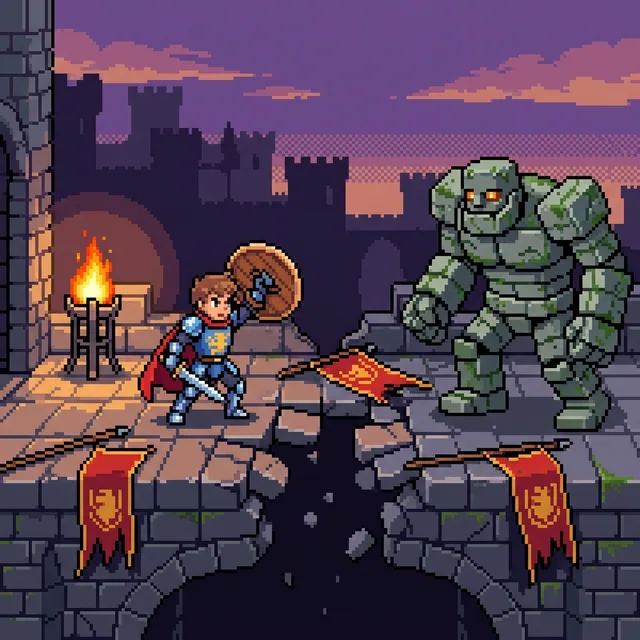
Turn a written idea or favorite photo into crisp pixel art with visible square pixels, hard-edged color clusters, and a focused limited palette. Create portraits, pets, scenes, and original characters, then continue into video or an illustrated story.

Turn a written idea or a permitted photo into original comic artwork shaped by decisive poses, strong silhouettes, bold ink, and high-stakes visual storytelling.
The rubber hose style suits avatars, band art, retro posters, stickers, and storybook leads because the look carries movement that flat overlays miss. Compared with generic vintage filters, it keeps the whole drawing system: jointless limbs, pie eyes, gloves, big shoes, and film grain rather than a brown color wash. Compared with drawing by hand, it skips the years of pen mileage while leaving you in charge of the subject and scene.
Transform a familiar person or pet into a vintage cartoon, or invent an original cast from a written idea.
Get bouncy silhouettes and film-grain staging in minutes instead of studying 1930s construction for years.
Round heads, white gloves, and grain give scenes an identity that generic retro filters cannot fake.
Save an approved identity and carry it across variations, standalone scenes, short videos, and storybook pages.
Answers about photos, prompts, the vintage 1930s look, character reuse, formats, and responsible use.
The rubber hose style is the first standardized American cartoon look, born in the 1920s. Jointless limbs that bend like hoses, pie-cut eyes, white gloves, oversized shoes, round heads, and a black-and-white film-grain finish define it.

Turn a portrait into a vintage 1930s cartoon, stage a springy little scene from a written idea, and carry the same lead through images, videos, and storybooks.