
Chibi Generator


Create Chibi Characters, Images, Videos, and Stories
Build a reusable character, independent scenes, a short video, and an illustrated storybook in the same chibi direction. Save an approved Character Asset when the same lead needs to return.
Create a chibi character
Expressive Chibi Scenes
Transform a photo or place the saved lead in a new action and setting.
Create a chibi imageShort Chibi Videos
Chibi Storybooks
Plan an original story around the saved cast and generate connected illustrated pages.
Create a chibi storybookWhat Is Chibi Style?
Chibi is a Japanese character-art style built around deliberate exaggeration. The head is unusually large, the body is short and simplified, and the face carries most of the emotion. It is also called super-deformed or SD art in some anime and manga contexts.
The exact ratio is flexible, but a chibi figure often stands about two or three heads tall. Rounded shapes, short limbs, large eyes, and small hands keep the silhouette compact. Hair, clothing, colors, and signature props do more work because fine anatomical detail is reduced.
A chibi generator redraws the subject through those proportions instead of shrinking an ordinary portrait or applying a flat filter. It interprets the face, pose, outfit, and setting as a new composition, so each result can vary and an uploaded person's likeness is never guaranteed to be exact.
Oversized head and compact body
A short body and large head make the character readable at a small size without copying realistic anatomy.
Clear, amplified expression
Large eyes, a small mouth, and an economical pose keep the emotion easy to recognize.
Simplified but recognizable details
Distinctive hair, clothing colors, and one or two props carry identity after smaller details are removed.

Make Chibi Art from Photos or Text
Begin with a portrait, pet photo, or written scene. Continue with still images, reusable characters, short videos, and illustrated stories when the idea needs more than one result.
- Free credits to begin
- Downloads without a visible watermark
- Photo and text creation
- Images, videos, characters, and storybooks
How to Use the Chibi Generator
Start with a reference when recognizable details matter, or use text to invent a character and scene from scratch.
Upload a Photo or Describe an Idea
Add one JPG, PNG, or WebP image up to 30 MB, or describe the subject, visible action, useful props, and setting.
Keep Chibi Selected
Choose an aspect ratio and the available generation settings for an avatar, full character, scene, or vertical composition.
Generate the Chibi Interpretation
Photo generation redraws the reference through compact proportions; text generation builds an original subject and scene.
Download or Continue Creating
Download the result, save a strong character reference, create another scene, or continue into video and storybook tools.
Chibi Prompt Tips
The selected preset supplies the visual direction. Use the prompt for identity, one visible action, concrete props, and a setting that explains the pose.
Give the Character a Stable Identity
Hair, clothing colors, and one signature item make a simplified figure easier to recognize.
Too vague
A cute traveler
Better prompt
A young sky courier with short indigo hair, a coral flight jacket, cream shorts, a teal satchel, and a brass compass
Choose One Visible Action
A single action gives the compact body a clear pose and keeps the scene legible.
Too vague
A fun adventure
Better prompt
A sky courier crouches on a windmill roof to catch a loose parcel
Use Props That Support the Action
A short prop list tells the model what belongs near the hands and focal subject.
Too vague
Lots of fantasy objects
Better prompt
A leather map tube, a folded glider, two parcel tags, and a brass compass beside the courier
Place the Character in a Specific Setting
Name useful surroundings and one environmental movement instead of filling the prompt with rendering terms.
Too vague
An epic magical city
Better prompt
A hilltop delivery station with small windmills, tiled roofs, paper gliders, and pennants moving in the breeze
Connected creation workflow
Reuse One Chibi Character Across a Complete Project
Save an approved Character Asset first, then select that same identity for an independent scene, a short video, and an illustrated storybook.
1. Create and Save the Lead
Generate a clear full-body or three-quarter reference and save the approved result to My Characters.
Create a chibi character2. Place the Lead in a New Scene
Select the saved character and give it a different pose, action, setting, and story beat.
Create a chibi image3. Animate One Story Beat
Select the same saved character and describe one stable action with subtle environmental movement.
Create a chibi video4. Build a Storybook Around the Cast
Assign the saved lead, review the story plan, and generate connected page illustrations.
Create a chibi storybookExplore More Cartoon Styles
Compare five related looks, then open the style page that best fits your next image.
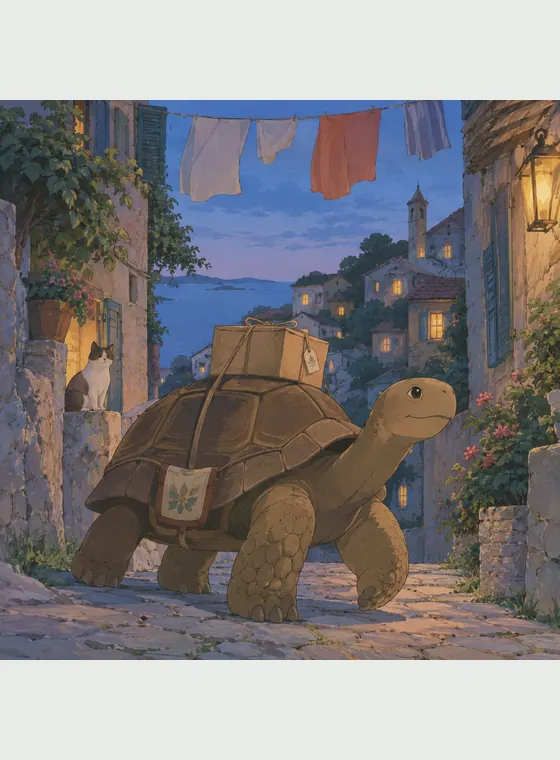
Ghibli Style
Turn a photo or an original prompt into a hand-painted anime scene with soft color, observed detail, and a grounded sense of place.

Disney Style
Turn a photo or a written idea into original 2D animation art with expressive acting, graceful shapes, and warm story-focused staging.

Pixar Style
Create expressive 3D cartoon images from a photo or a written idea, then carry the same visual direction into characters, animated videos, and illustrated stories.

Cel-shaded art
Turn text or photos into cel-shaded art with crisp outlines and hard-edged shadows, then continue into characters, videos, and storybooks.

Watercolor Style
Use this watercolor AI generator to turn a photo into watercolor art or create an original scene from text, with transparent washes, soft edges, and visible paper texture.
Why Use a Chibi Generator?
Chibi art works well for avatars, stickers, pet portraits, reaction images, character concepts, gifts, and light story moments because the subject stays readable at a compact size. Compared with standard anime proportions, it pushes the head, eyes, and expression further while simplifying the torso and limbs. Compared with 3D cartoon art, it usually favors a flatter, more graphic silhouette and fewer material details.
Photo and Text Input
Transform a familiar person or pet, or invent an original character and setting from a written idea.
Readable at Small Sizes
The large head, bold silhouette, and reduced detail suit profile images, stickers, and compact social graphics.
Reusable Character Workflows
Save an approved identity and reuse it across variations, independent scenes, short videos, and storybook pages.
More Than One Cute Pose
Change actions, props, expressions, and environments without repeating the original standing composition.
Chibi Generator FAQ
Answers about photos, prompts, proportions, character reuse, formats, and responsible use.
A chibi generator creates character art from a photo or text prompt using an oversized head, compact body, simplified anatomy, and amplified facial expression.

Create Art with the Chibi Generator
Turn a photo you have permission to use into a compact character, or begin with an original idea and build a reusable cast from the result.